
Why Rat Infestations Are Increasing in London Homes in 2026
Rat infestations are becoming an increasingly serious problem across London in 2026. Homeowners and businesses alike are reporting higher levels of rodent activity, with rats appearing more frequently in kitchens, lofts, basements, gardens, and drainage systems. While London has always experienced rodent problems due to its dense urban environment, several factors are contributing to a noticeable increase in infestations this year.
From ageing infrastructure and climate conditions to expanding construction projects and changing waste habits, rats are finding more opportunities to enter residential properties and establish nests. Understanding why infestations are increasing is essential for homeowners looking to protect their property, health, and living environment.
This guide explains the main reasons behind rising rat activity in London homes, the dangers associated with infestations, and the most effective ways to prevent rats from entering your property.
Why London Continues to Attract Rats
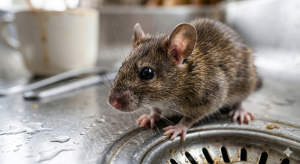
London’s urban environment provides ideal conditions for rats to thrive. The city offers constant access to food, shelter, water, and hidden nesting areas, allowing rodent populations to grow throughout the year.
Brown rats, the most common species found in London, are highly adaptable and capable of surviving in a wide range of environments. They commonly inhabit:
- Underground drainage systems
- Sewers and railway networks
- Basements and cellars
- Wall cavities and loft spaces
- Gardens and outdoor storage areas
- Commercial waste zones
As London continues to expand and redevelop, rats are increasingly being displaced from underground habitats and forced into nearby homes and buildings.
Increased Construction and Urban Development
One of the biggest reasons for increased rat infestations in 2026 is the large volume of construction and redevelopment taking place across London. Major building projects disturb underground nests and drainage systems, forcing rats to relocate in search of new shelter and food sources.
When construction disrupts sewer lines, foundations, or abandoned structures, rats often migrate into nearby residential streets and properties. Areas experiencing heavy redevelopment frequently see spikes in rodent activity as displaced rats search for alternative nesting locations.
Newly renovated homes are not immune either. Small gaps around pipework, poorly sealed utility entries, and unfinished structural areas can provide easy access for rodents.
Warmer Winters and Climate Changes
Climate conditions are also influencing rat populations throughout London. Milder winters allow rats to remain active for longer periods, increasing survival rates and breeding activity.
Traditionally, colder temperatures naturally reduced rodent populations during winter months. However, warmer seasonal conditions now allow rats to reproduce more consistently throughout the year. This contributes to larger infestations developing earlier and spreading more rapidly in residential areas.
Heavy rainfall and flooding can also force rats out of underground drainage systems and into nearby homes. Properties located near drains, rivers, or flood-prone areas may face increased rodent pressure during periods of bad weather.
Increased Food Waste and Bin Access
Food waste is one of the strongest attractants for rats in urban environments. Overflowing bins, poorly secured rubbish bags, outdoor food waste, and accessible takeaway litter create ideal feeding opportunities for rodents.
In many parts of London, densely packed residential streets and communal waste areas make it easier for rats to locate consistent food supplies. Once a reliable food source is found, rats often establish nests nearby and begin exploring surrounding properties.
Common household attractants include:
- Food scraps left outdoors
- Unsealed kitchen bins
- Pet food left overnight
- Compost bins
- Bird feeders
- Poorly managed communal rubbish areas
Even small amounts of accessible food can support growing rat populations.
Older Buildings and Structural Weaknesses
Many London properties are older buildings with ageing infrastructure, making them more vulnerable to rodent entry. Cracked brickwork, damaged drains, loose roof tiles, broken air vents, and gaps around utility pipes all provide potential access points for rats.
Rats are capable of squeezing through surprisingly small openings and can exploit structural weaknesses that homeowners may not immediately notice.
Common entry points include:
- Drainage pipe gaps
- Basement vents
- Broken air bricks
- Damaged sewer connections
- Roofline gaps
- Utility cable openings
Without proper proofing and maintenance, rats can easily enter and move throughout the structure of a property.
Rats Are Becoming More Adaptable
Modern urban rats are highly intelligent and increasingly adaptable to changing environments. They quickly learn feeding patterns, avoid poorly positioned traps, and establish hidden travel routes within buildings.
Rats are also strong climbers and swimmers, allowing them to access upper floors, lofts, drains, and concealed structural areas. Their ability to remain hidden during the early stages of an infestation often allows colonies to grow unnoticed for extended periods.
This adaptability makes professional pest control increasingly important, particularly in heavily populated cities such as London.
Common Signs of Rat Infestations in London Homes
Early detection is critical because rat populations can grow rapidly once nesting begins. Common warning signs include:
Droppings
Dark, capsule-shaped droppings are often found near skirting boards, under sinks, inside cupboards, and around food storage areas.
Scratching Noises
Nocturnal scratching or scurrying sounds inside walls, ceilings, or under floorboards may indicate active rodent movement.
Grease Marks
Rats leave oily smear marks along frequently travelled pathways due to dirt and grease on their fur.
Gnaw Damage
Chewed wires, damaged wood, torn insulation, and bite marks on food packaging are common indicators of rat activity.
Unpleasant Odours
Strong musky or ammonia-like smells may develop in enclosed areas affected by prolonged rodent activity.
Visible Rat Sightings
Seeing rats during daylight hours may suggest a larger infestation due to overcrowding or food competition.
Health Risks Associated with Rat Infestations
Rats are more than just a nuisance. They pose serious health and safety risks within residential and commercial environments.
Rodents can spread bacteria and pathogens through:
- Urine and droppings
- Contaminated food surfaces
- Nesting materials
- Saliva and fur contamination
Infestations may also trigger allergies and respiratory irritation, particularly in poorly ventilated indoor areas.
In addition to health concerns, rats can create significant structural hazards by chewing electrical wiring, increasing the risk of electrical faults and fires.
Why DIY Rat Control Often Fails
Many homeowners attempt to manage rat infestations using shop-bought traps or poison products. While these methods may temporarily reduce activity, they often fail to address the root cause of the infestation.
DIY treatments frequently miss:
- Hidden nesting areas
- Structural entry points
- Drain-related infestations
- Larger underground colonies
- Multiple rodent access routes
Improper bait placement can also make rats more cautious, reducing treatment effectiveness over time.
Professional pest control services provide detailed inspections, targeted extermination strategies, and long-term proofing solutions designed to eliminate infestations completely.
How to Prevent Rats from Entering Your Home
Preventative measures are essential for reducing the risk of rat infestations in London properties.
Seal Entry Points
Inspect your property for gaps around pipes, vents, drains, roofing, and external walls. Sealing these areas helps prevent rodents from gaining access.
Secure Food Sources
Store food in sealed containers, clean food spills immediately, and avoid leaving pet food exposed overnight.
Improve Waste Management
Use secure bins with tight-fitting lids and avoid allowing rubbish to accumulate near the property.
Maintain Outdoor Areas
Overgrown gardens, cluttered storage spaces, and accumulated debris can provide shelter for rats.
Inspect Drainage Systems
Damaged drains and sewer connections are common rat entry routes. Regular inspections can help identify hidden problems early.
The Importance of Professional Rat Pest Control
As rat infestations continue to rise across London in 2026, professional pest control services are becoming increasingly important for homeowners and businesses.
Professional rat exterminators can:
- Identify hidden infestation sources
- Locate rodent entry points
- Implement targeted treatment plans
- Carry out rodent proofing work
- Provide ongoing monitoring and prevention
Long-term rodent control requires more than temporary treatments. Combining extermination with structural proofing and preventative maintenance offers the most effective protection against recurring infestations.
Final Thoughts
The increase in rat infestations across London during 2026 is being driven by a combination of urban development, climate conditions, food availability, and ageing infrastructure. As rats become more adaptable to city environments, infestations are becoming more common in both residential and commercial properties.
Recognising the warning signs early and taking preventative action can help reduce the risk of severe infestations and costly property damage. Professional pest control and rodent proofing remain the most reliable solutions for keeping London homes protected against growing rat populations.
Helpful Vermin Removal Guides and Expert Pest Control Advice
- Why Rat Infestations Are Increasing in London Homes in 2026
- Wasp Nest in House: What To Do Before Pest Control Arrives
- Cockroach Infestation in London Kitchens: Causes, Risks, and Professional Solutions
- Why You Keep Getting Fleas in Your House (Even After Treatment)
- How to Get Rid of Ants Permanently (What Actually Works vs DIY Failures)
- 7 Signs You Have a Pigeon Infestation on Your Roof or Balcony
- How to Stop Pigeons Nesting Under Solar Panels (2026 Guide)
- Moth Infestation in London Homes: Causes, Signs & Heat Treatment Solution
- Does Heat Treatment Really Kill Bed Bugs and Eggs Permanently?
- Carpet Beetles in Bedroom: Causes, Damage, and Fast Removal Solutions