
Moth Infestation in London Homes: Causes, Signs & Heat Treatment Solution
Moth infestations are becoming an increasingly common household pest issue across London, particularly in wardrobes, carpets, upholstered furniture, and storage areas. Unlike seasonal outdoor moths, clothes moths thrive indoors, where they feed on natural fibres such as wool, silk, cashmere, and cotton blends.
What makes moth infestations particularly frustrating is that damage often goes unnoticed until it becomes severe. By the time holes appear in clothing or carpets, larvae have usually been feeding for weeks or even months.
This guide explains the causes of moth infestations, the warning signs to look for, the damage they cause, and why heat treatment is one of the most effective modern solutions.
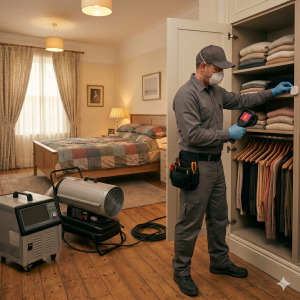
Why Moth Infestations Happen in London Homes
Moths are attracted to dark, undisturbed environments where they can lay eggs and allow larvae to feed without disruption. Homes provide ideal conditions, especially in areas with limited airflow and stored fabrics.
Common causes of moth infestations include:
- Long-term storage of natural fibre clothing
- Undisturbed wardrobes and cupboards
- Warm indoor environments
- Lack of regular deep cleaning in storage areas
- Second-hand furniture or textiles introduced into the home
Once moths establish a breeding cycle, infestations can persist for long periods without visible adult activity.
How Clothes Moths Actually Cause Damage
It is not the adult moths that cause damage, but their larvae. Female moths lay eggs on natural fibres, and when larvae hatch, they feed directly on materials such as:
- Wool clothing and knitwear
- Carpets and rugs
- Upholstered furniture
- Curtains and soft furnishings
- Stored textiles and bedding
Larvae prefer dark, undisturbed areas, which is why damage often appears in hidden sections of wardrobes or under furniture.
Key Signs of a Moth Infestation
Early detection is essential to prevent widespread damage. Common warning signs include:
Small Holes in Clothing
Tiny, irregular holes in wool or natural fabric clothing are often the first visible sign of moth activity.
Silky Webbing or Tubes
Larvae create fine silk-like tunnels or webbing, particularly in carpets or along fabric edges.
Shed Larval Cases
Small, sandy or shell-like casings may be found in wardrobes, drawers, or carpet fibres.
Adult Moth Sightings
Small beige or golden moths flying slowly in low-light areas often indicate an active infestation.
Carpet Damage
Bare patches or thinning areas in carpets may suggest larvae feeding beneath the surface.
Why Moth Infestations Are Hard to Eliminate
Moth infestations are difficult to control because they often remain hidden. Eggs and larvae are not always visible, and infestations can spread across multiple rooms before being noticed.
Additional challenges include:
- Eggs hidden deep within fabric fibres
- Larvae resistant to light surface cleaning
- Infestation spread through wardrobes and storage areas
- Reinfestation from untreated items
This makes targeted professional treatment essential for long-term control.
Health and Property Risks of Moth Infestations
While moths are not dangerous to human health, they can cause significant property damage and financial loss. Infestations can destroy valuable clothing, carpets, and textiles over time.
Common impacts include:
- Irreversible damage to clothing and fabrics
- Costly replacement of carpets and furnishings
- Ongoing contamination of stored textiles
- Reduced property hygiene and comfort
In severe cases, entire wardrobes or rooms may require treatment and restoration.
What Is Heat Treatment for Moth Infestations?
Heat treatment is one of the most effective modern solutions for eliminating moth infestations. It involves raising the temperature of affected areas to a level that kills all life stages of moths, including eggs, larvae, and adults.
Unlike chemical sprays, heat treatment penetrates deep into:
- Carpets and underlay
- Wardrobe interiors
- Furniture and upholstery
- Wall cavities and hidden spaces
This ensures complete eradication of the infestation in a single controlled process.
Why Heat Treatment Works Better Than DIY Methods
DIY moth control methods often rely on sprays, traps, or surface cleaning. While these may reduce adult moth numbers temporarily, they rarely eliminate eggs or larvae hidden deep within fabrics.
Heat treatment is more effective because:
- It reaches all infestation layers
- It eliminates eggs, larvae, and adults simultaneously
- It does not rely on chemical residues
- It reduces risk of reinfestation
This makes it a preferred solution for persistent or widespread infestations.
Preventing Moth Infestations in the Home
Once treatment is complete, prevention is essential to avoid reinfestation.
Effective prevention measures include:
- Regularly cleaning wardrobes and storage areas
- Vacuuming carpets and upholstered furniture
- Storing clothing in sealed containers
- Washing or dry-cleaning seasonal items before storage
- Reducing clutter in dark storage spaces
These steps help remove potential breeding environments and food sources for moth larvae.
Why Moth Problems Are Common in London
Homes in London are particularly vulnerable to moth infestations due to high population density, frequent movement of second-hand items, and limited storage ventilation in older buildings.
Warm indoor environments also allow moths to breed year-round, making infestations more persistent compared to colder regions.
When to Call a Professional Pest Control Service
Professional intervention is recommended when:
- Multiple clothing items show damage
- Moths are seen repeatedly in several rooms
- Carpet or furniture damage is spreading
- DIY treatments have failed
Experts can assess the severity of infestation and apply targeted heat or chemical treatments depending on the situation.
Final Thoughts
Moth infestations can quickly escalate from a minor issue to widespread fabric damage if left untreated. Recognising early warning signs and understanding the limitations of DIY treatments is key to effective control.
In urban areas such as London, professional heat treatment offers one of the most reliable solutions for complete eradication and long-term prevention, ensuring homes remain protected from recurring infestations.
Helpful Vermin Removal Guides and Expert Pest Control Advice
- Why Rat Infestations Are Increasing in London Homes in 2026
- Wasp Nest in House: What To Do Before Pest Control Arrives
- Cockroach Infestation in London Kitchens: Causes, Risks, and Professional Solutions
- Why You Keep Getting Fleas in Your House (Even After Treatment)
- How to Get Rid of Ants Permanently (What Actually Works vs DIY Failures)
- 7 Signs You Have a Pigeon Infestation on Your Roof or Balcony
- How to Stop Pigeons Nesting Under Solar Panels (2026 Guide)
- Moth Infestation in London Homes: Causes, Signs & Heat Treatment Solution
- Does Heat Treatment Really Kill Bed Bugs and Eggs Permanently?
- Carpet Beetles in Bedroom: Causes, Damage, and Fast Removal Solutions