
How to Stop Pigeons Nesting Under Solar Panels (2026 Guide)
Solar panels are a smart investment for energy efficiency, but they also create one of the most attractive nesting spaces for pigeons in urban environments. In cities such as London, pigeon infestations under solar panels have become increasingly common due to warm, sheltered gaps that mimic natural nesting conditions.
Once pigeons settle beneath panels, they can cause noise, hygiene issues, reduced system efficiency, and long-term roof damage. This guide explains why pigeons choose solar panels, the risks involved, and the most effective prevention methods in 2026.
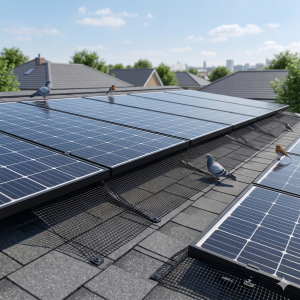
Why Pigeons Nest Under Solar Panels
Solar panels create a perfect sheltered environment for pigeons. The gap between the roof and panels offers protection from predators, wind, rain, and disturbance.
Common reasons pigeons choose solar panels include:
- Warmth generated by the roof and panels
- Safe, enclosed space for nesting
- Protection from predators such as birds of prey
- Minimal human disturbance
- Easy access to nearby food sources
Once pigeons discover this space, they often return repeatedly and establish long-term nesting sites.
Problems Caused by Pigeons Under Solar Panels
Pigeon activity beneath solar panels can create both structural and operational issues. Over time, infestations can escalate and impact both roof integrity and energy performance.
Reduced Solar Efficiency
Droppings, feathers, and nesting debris can accumulate on or around panels, reducing sunlight exposure and lowering system efficiency.
Roof and Wiring Damage
Pigeons may damage roofing materials, dislodge tiles, and disturb electrical wiring beneath the panels. This can lead to long-term maintenance issues if not addressed.
Blocked Drainage and Water Flow
Nesting materials can block gutters and roof drainage systems, leading to water overflow and damp problems.
Health and Hygiene Risks
Accumulated droppings and nesting waste can create hygiene concerns, particularly if debris spreads into ventilation or nearby living spaces.
Signs of Pigeons Nesting Under Solar Panels
Early detection is essential to prevent long-term damage. Common signs include:
- Persistent pigeon activity around the roof
- Scratching or fluttering sounds from the roof area
- Droppings building up around roof edges
- Feathers and nesting materials near panels
- Birds frequently entering and exiting under panels
If these signs are present, it is highly likely that pigeons have already established nesting sites beneath the system.
Why DIY Solutions Usually Fail
Many homeowners attempt DIY deterrents such as spikes, reflective tape, or noise devices. However, these methods rarely work once pigeons have already nested under solar panels.
DIY methods often fail because:
- They do not physically block access under panels
- Pigeons adapt quickly to visual deterrents
- Nesting sites remain protected and undisturbed
- Partial solutions do not remove existing nests
Without proper exclusion methods, pigeons typically return even after temporary disruption.
Most Effective Ways to Stop Pigeons Nesting Under Solar Panels
Permanent prevention requires physical exclusion and professional installation techniques designed to block access entirely.
1. Solar Panel Bird Mesh Installation
Specialised bird mesh is one of the most effective solutions. It is installed around the perimeter of solar panels to block pigeons from accessing the gap beneath them.
This method:
- Prevents entry without damaging panels
- Allows ventilation while blocking birds
- Provides a long-term physical barrier
- Does not affect solar performance
2. Safe Nest Removal and Roof Cleaning
Before installing preventative systems, existing nests must be safely removed. Professional cleaning ensures droppings, feathers, and bacteria are eliminated.
This step is essential because leaving old nesting material can continue to attract pigeons even after exclusion measures are installed.
3. Solar Panel Proofing Systems
In addition to mesh, full proofing systems may include:
- Clip-on panel guards
- Edge sealing systems
- Anti-roosting strips for roof edges
- Gutter protection systems
These combined methods provide comprehensive protection against reinfestation.
4. Regular Roof and Panel Inspections
Routine inspections help identify early signs of pigeon activity before a full infestation develops. This is particularly important in urban environments like London where pigeon pressure is high.
Early detection allows for quicker, less costly prevention.
5. Long-Term Deterrent Strategies
Once exclusion systems are installed, ongoing deterrence helps maintain protection. This may include:
- Monitoring for gaps or damage in mesh
- Cleaning roof areas to remove attractants
- Ensuring no nesting materials accumulate
- Checking for new entry attempts
Why Professional Installation Matters
Solar panel systems are sensitive and require careful handling. Improper installation of deterrents can damage panels or reduce efficiency.
Professional pest control ensures:
- Safe installation without damaging solar infrastructure
- Full exclusion of nesting areas
- Compliance with building safety standards
- Long-term prevention rather than temporary fixes
Risks of Ignoring Pigeon Nesting Under Solar Panels
Leaving pigeons untreated can lead to:
- Severe droppings accumulation
- Reduced energy efficiency
- Roof corrosion and water damage
- Electrical faults and wiring issues
- Increased pest activity over time
The longer pigeons remain, the more difficult removal becomes.
Final Thoughts
Pigeon nesting under solar panels is a growing issue in modern cities such as London. While solar panels provide ideal shelter, effective prevention systems such as mesh exclusion and professional proofing can fully eliminate the problem.
Early action is key. Once pigeons establish a nesting site, removal becomes more complex and costly. With the right prevention strategy, solar panels can remain efficient, clean, and free from bird activity in the long term.
Helpful Vermin Removal Guides and Expert Pest Control Advice
- Why Rat Infestations Are Increasing in London Homes in 2026
- Wasp Nest in House: What To Do Before Pest Control Arrives
- Cockroach Infestation in London Kitchens: Causes, Risks, and Professional Solutions
- Why You Keep Getting Fleas in Your House (Even After Treatment)
- How to Get Rid of Ants Permanently (What Actually Works vs DIY Failures)
- 7 Signs You Have a Pigeon Infestation on Your Roof or Balcony
- How to Stop Pigeons Nesting Under Solar Panels (2026 Guide)
- Moth Infestation in London Homes: Causes, Signs & Heat Treatment Solution
- Does Heat Treatment Really Kill Bed Bugs and Eggs Permanently?
- Carpet Beetles in Bedroom: Causes, Damage, and Fast Removal Solutions