
Carpet Beetles in Bedroom: Causes, Damage, and Fast Removal Solutions
Carpet beetles are one of the most underestimated household pests, often going unnoticed until visible damage appears in clothing, bedding, or carpets. In urban environments such as London, they are increasingly common in bedrooms due to warm indoor conditions, abundant natural fibres, and hidden feeding areas.
Unlike many pests that cause immediate disruption, carpet beetles work slowly and silently. Their larvae feed on natural materials over time, leading to gradual but often extensive damage before the infestation is even detected.
This guide explains what causes carpet beetles in bedrooms, how they damage fabrics and furnishings, the warning signs to look for, and the fastest and most effective removal solutions.
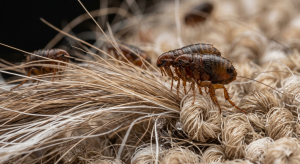
What Are Carpet Beetles?
Carpet beetles are small household insects whose larvae feed on natural fibres. The adult beetles are typically harmless and often feed on pollen outdoors, but it is the larvae stage that causes damage indoors.
Carpet beetle larvae feed on:
- Wool clothing and knitwear
- Carpets and rugs
- Upholstered furniture
- Bedding and mattresses
- Curtains and soft furnishings
- Hair, lint, and organic debris
Because bedrooms contain many of these materials, they are one of the most common infestation zones.
Why Carpet Beetles Appear in Bedrooms
Carpet beetles enter homes through windows, doors, clothing, or even cut flowers. Once inside, bedrooms provide ideal conditions for survival and reproduction.
Common causes include:
Natural Fibre Materials
Bedrooms often contain wool carpets, duvets, cushions, and clothing made from natural fibres that larvae feed on.
Poor Cleaning in Hidden Areas
Dust, hair, and lint build up under beds, behind furniture, and in corners, creating a food source for larvae.
Open Windows and Entry Points
Adult beetles are attracted to light and can enter through open windows or small gaps in doors and frames.
Second-Hand Furniture or Clothing
Infested items introduced into the home can carry eggs or larvae into bedrooms.
Warm, Undisturbed Environments
Bedrooms provide stable temperatures and minimal disturbance, allowing larvae to feed and develop unnoticed.
Signs of Carpet Beetles in the Bedroom
Early detection is key to preventing long-term damage. Common signs include:
1. Irregular Holes in Fabrics
Small, irregular holes in clothing, bedding, or upholstery are often the first visible sign of carpet beetle activity.
2. Shed Larval Skins
Carpet beetle larvae shed their skins as they grow. These tiny, bristly casings are often found in wardrobes, drawers, or under beds.
3. Bare or Damaged Carpet Patches
Carpet beetle larvae may create thinning or uneven patches in carpets, especially in undisturbed areas such as under furniture.
4. Live Larvae Sightings
Larvae are small, brownish, and covered in fine hairs. They are often found crawling along skirting boards or hidden corners.
5. Adult Beetles Near Windows
Adult carpet beetles are often seen near light sources such as windowsills, as they are attracted to natural light.
6. Accumulation of Dust and Debris
Excess lint, hair, and organic debris can indicate an active feeding environment for larvae.
Damage Caused by Carpet Beetles
Although carpet beetles do not bite or spread disease, they can cause significant property damage over time.
Clothing Damage
Wool, silk, cashmere, and other natural fibres are particularly vulnerable. Damage often appears as uneven holes or thinning fabric.
Carpet and Upholstery Damage
Carpet beetle larvae feed deep within fibres, leading to:
- Patchy carpet wear
- Bald spots in rugs
- Damaged upholstered furniture
- Weakening of fabric structure
Bedding and Mattress Damage
Infestations in bedrooms can spread to duvets, pillows, and mattresses, especially if made from natural materials.
Emotional and Financial Impact
Repeated damage to clothing and furnishings can become costly and stressful, especially when infestations go undetected for long periods.
Are Carpet Beetles Dangerous?
Carpet beetles do not bite humans and are not known to transmit disease. However, their larvae hairs can cause mild skin irritation or allergic reactions in some individuals.
The primary concern is property damage rather than direct health risks.
Why Carpet Beetles Are Common in London Homes
In urban environments such as London, carpet beetles thrive due to:
- Dense housing and shared living spaces
- Warm indoor heating systems year-round
- High use of carpets and textiles
- Frequent movement of clothing and furniture
- Limited ventilation in older properties
These conditions allow infestations to develop quietly and spread across multiple rooms.
Why DIY Carpet Beetle Treatments Often Fail
Many homeowners attempt to control carpet beetles using sprays or vacuuming alone. While helpful, these methods often fail to eliminate the full infestation.
DIY methods fail because:
- Eggs are hidden deep in fibres
- Larvae remain in inaccessible areas
- Sprays do not penetrate carpets fully
- Reinfestation occurs from untreated zones
Without treating all life stages, infestations continue.
Fast Removal Solutions for Carpet Beetles
Effective removal requires a structured approach targeting eggs, larvae, and adult beetles.
1. Deep Vacuuming and Mechanical Removal
Thorough vacuuming is one of the most important first steps. Focus should be on:
- Carpets and rugs
- Under beds and furniture
- Wardrobes and drawers
- Skirting boards and corners
Vacuuming removes larvae, eggs, and food debris that support infestation growth.
2. Hot Washing and Heat Treatment of Fabrics
Washing infested clothing and bedding at high temperatures helps kill larvae and eggs. Heat is highly effective in disrupting the carpet beetle lifecycle.
Items that cannot be washed should be professionally treated or isolated.
3. Professional Insecticide Treatments
Targeted insecticide applications can eliminate larvae in hidden areas such as carpet fibres, cracks, and furniture seams.
Professional treatments ensure coverage of areas that DIY sprays cannot reach effectively.
4. Steam Treatment for Deep Infestations
Steam cleaning penetrates deep into carpets and upholstery, killing larvae and eggs using high temperature without damaging fabrics.
This is especially effective in bedrooms with heavy carpet infestations.
5. Monitoring and Follow-Up Treatment
Follow-up inspections ensure that no surviving larvae or newly hatched beetles remain active after initial treatment.
This step is critical to preventing reinfestation.
Prevention Tips for Carpet Beetles
Preventing future infestations requires consistent household maintenance:
- Regular vacuuming of carpets and furniture
- Cleaning under beds and behind furniture
- Storing clothing in sealed containers
- Washing seasonal clothing before storage
- Reducing dust and lint build-up
Good housekeeping significantly reduces infestation risk.
Final Thoughts
Carpet beetles in bedrooms can cause slow but extensive damage if left untreated. Because infestations often develop out of sight, early detection and thorough treatment are essential.
In cities such as London, where indoor environments are warm and fibre-rich, carpet beetles are increasingly common. Fast removal using a combination of deep cleaning, heat treatment, and professional pest control offers the most effective long-term solution for protecting clothing, carpets, and furniture.
Helpful Vermin Removal Guides and Expert Pest Control Advice
- Why Rat Infestations Are Increasing in London Homes in 2026
- Wasp Nest in House: What To Do Before Pest Control Arrives
- Cockroach Infestation in London Kitchens: Causes, Risks, and Professional Solutions
- Why You Keep Getting Fleas in Your House (Even After Treatment)
- How to Get Rid of Ants Permanently (What Actually Works vs DIY Failures)
- 7 Signs You Have a Pigeon Infestation on Your Roof or Balcony
- How to Stop Pigeons Nesting Under Solar Panels (2026 Guide)
- Moth Infestation in London Homes: Causes, Signs & Heat Treatment Solution
- Does Heat Treatment Really Kill Bed Bugs and Eggs Permanently?
- Carpet Beetles in Bedroom: Causes, Damage, and Fast Removal Solutions